Please find the English below.
Wie hat sich die persische Paradiesvorstellung in der Kunst
ausgedrückt?
Paradies – Idealität
Das Paradies ist ein nicht real existierender Ort, ein Ideal, eine Belohnung. Es ist ein gedankliches Konstrukt, geschaffen aus der menschlichen Vorstellungskraft. Im Kern ist das Paradies ein wunderschöner Garten, in dem alle Bedürfnisse gestillt sind und Wünsche wahr werden.
Garten – Umsetzung
Bereits um 6000 v. Chr. begannen die Menschen im alten Persien, diese Idealvorstellung auf ihre Umwelt zu übertragen. Die Sehnsucht nach einem „Garten
Eden“ machte Gärten zu einem zentralen Bestandteil von Palästen, oft formal gestaltet als spirituelle Orte, in denen Wasser und Sonnenlicht die Hauptrollen spielen.
Teppich – Übertragung
Im zoroastrischen Glauben sieht der Mensch es als seine Aufgabe an, die Erde zu einem schöneren Ort zu machen. Aus diesem Ethos heraus fanden Gartenmotive Einzug in die persische Teppichknüpfkunst, die den Garten als tragbares Abbild des Paradieses konservierte.
Ausstellung – Nachahmung
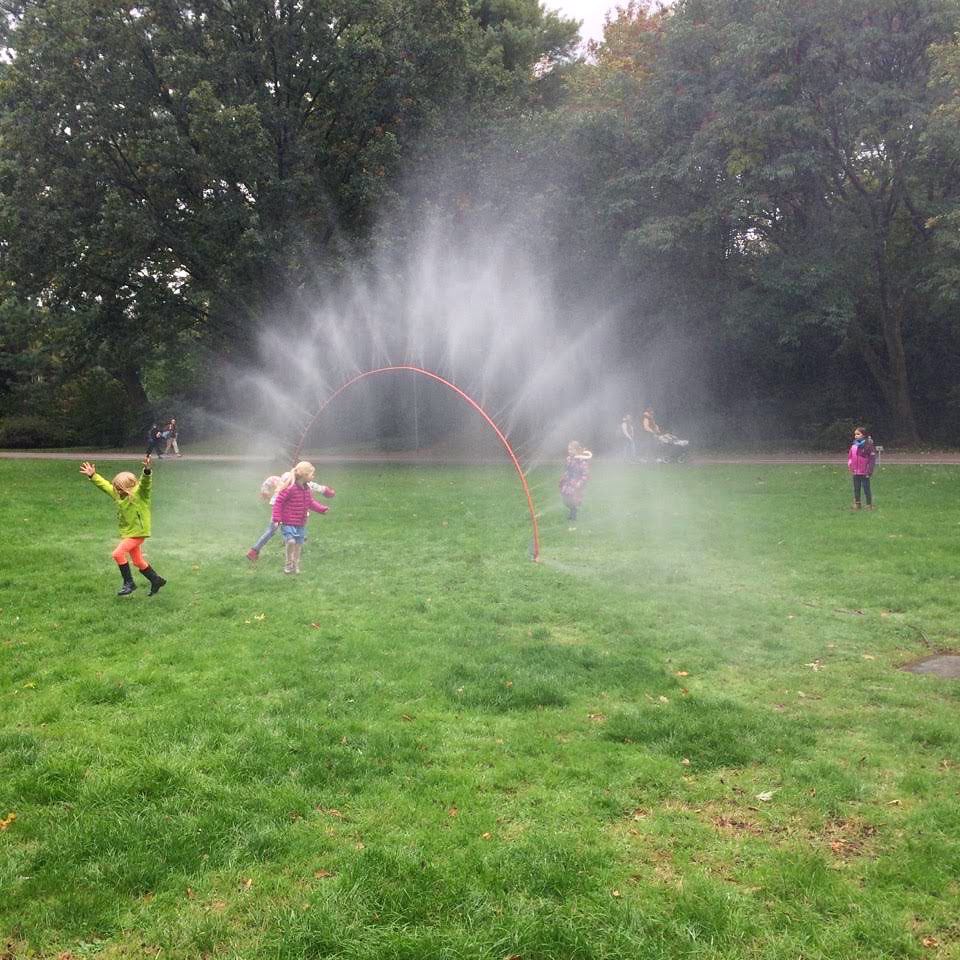
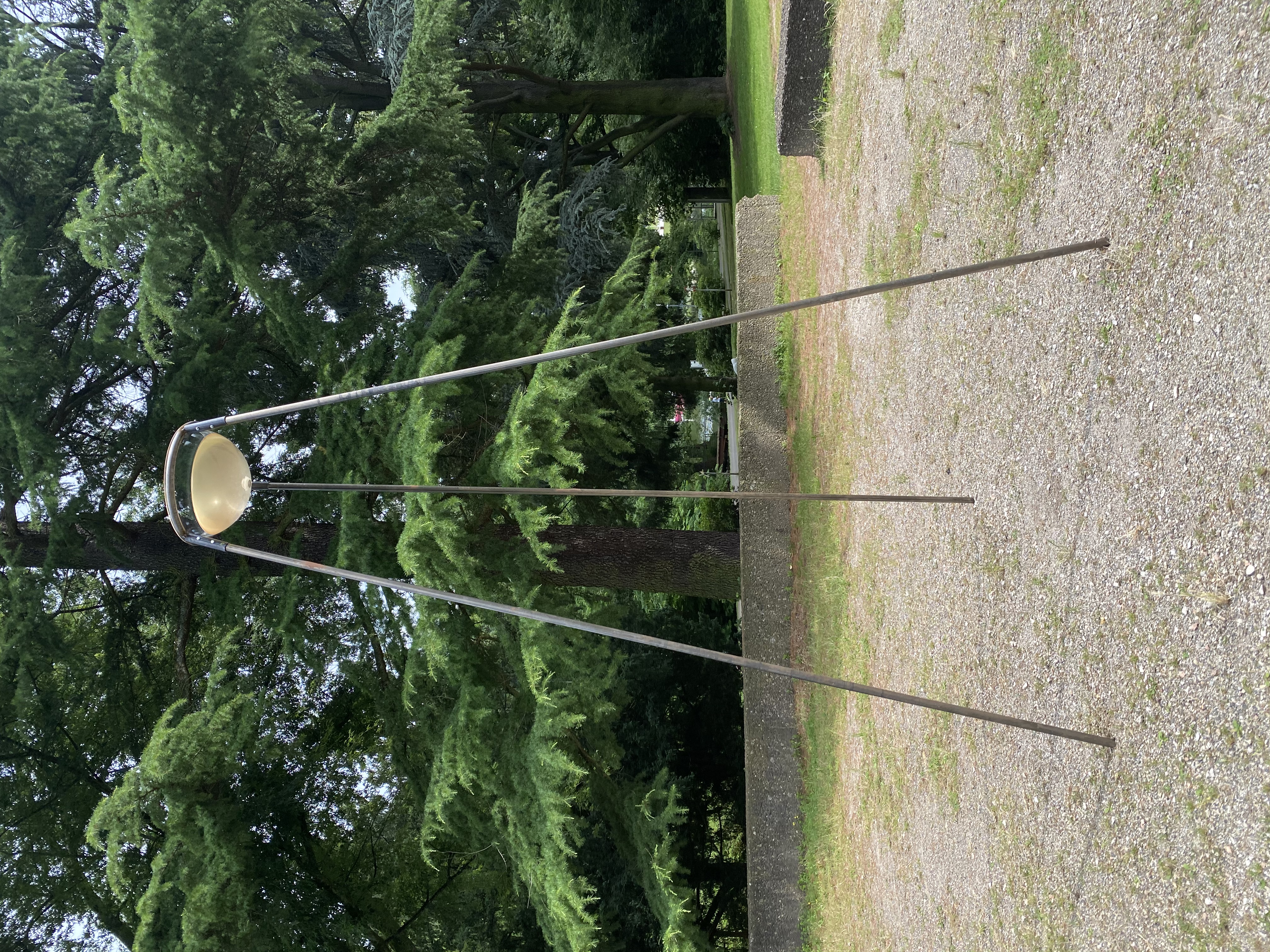
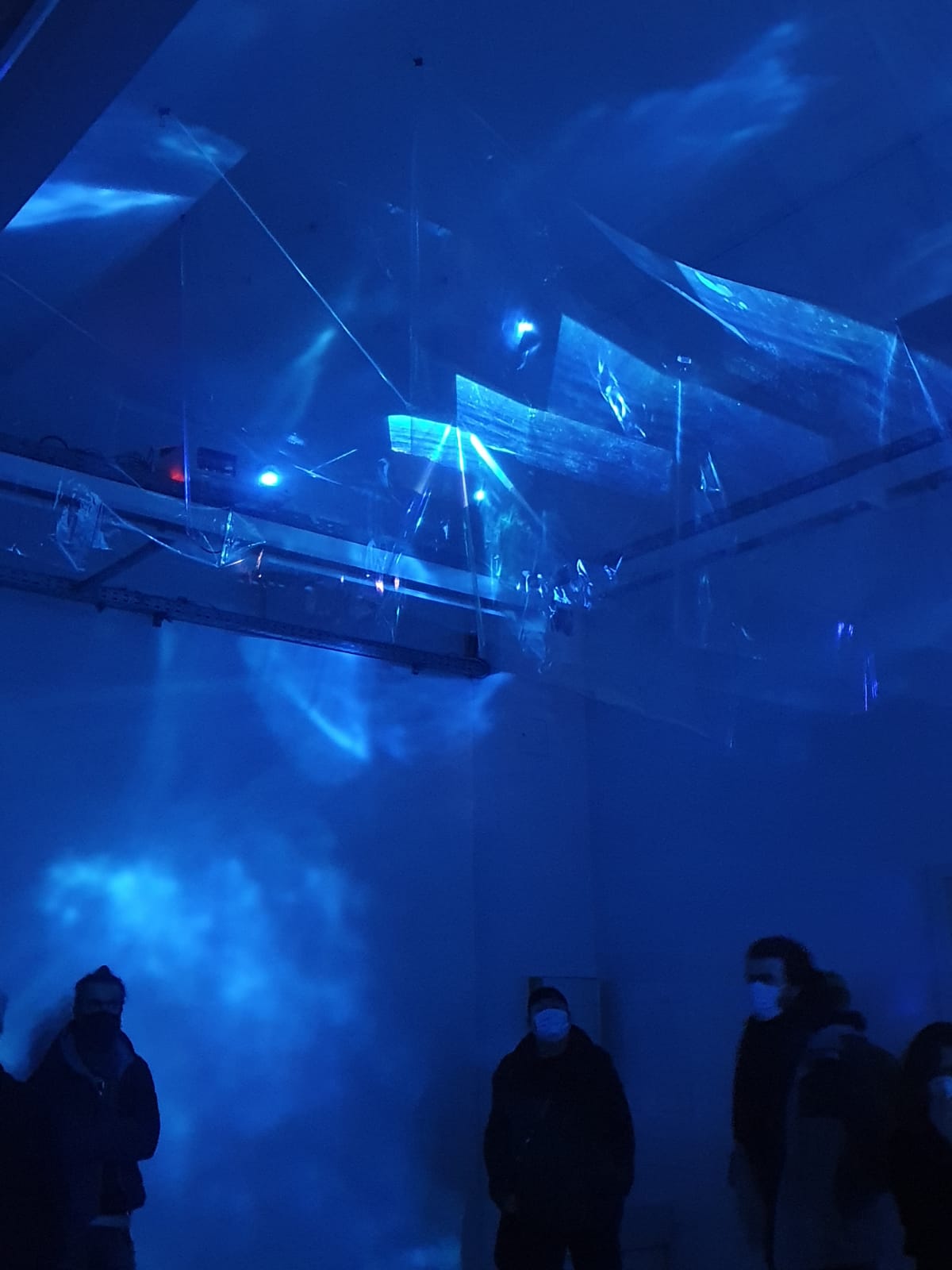
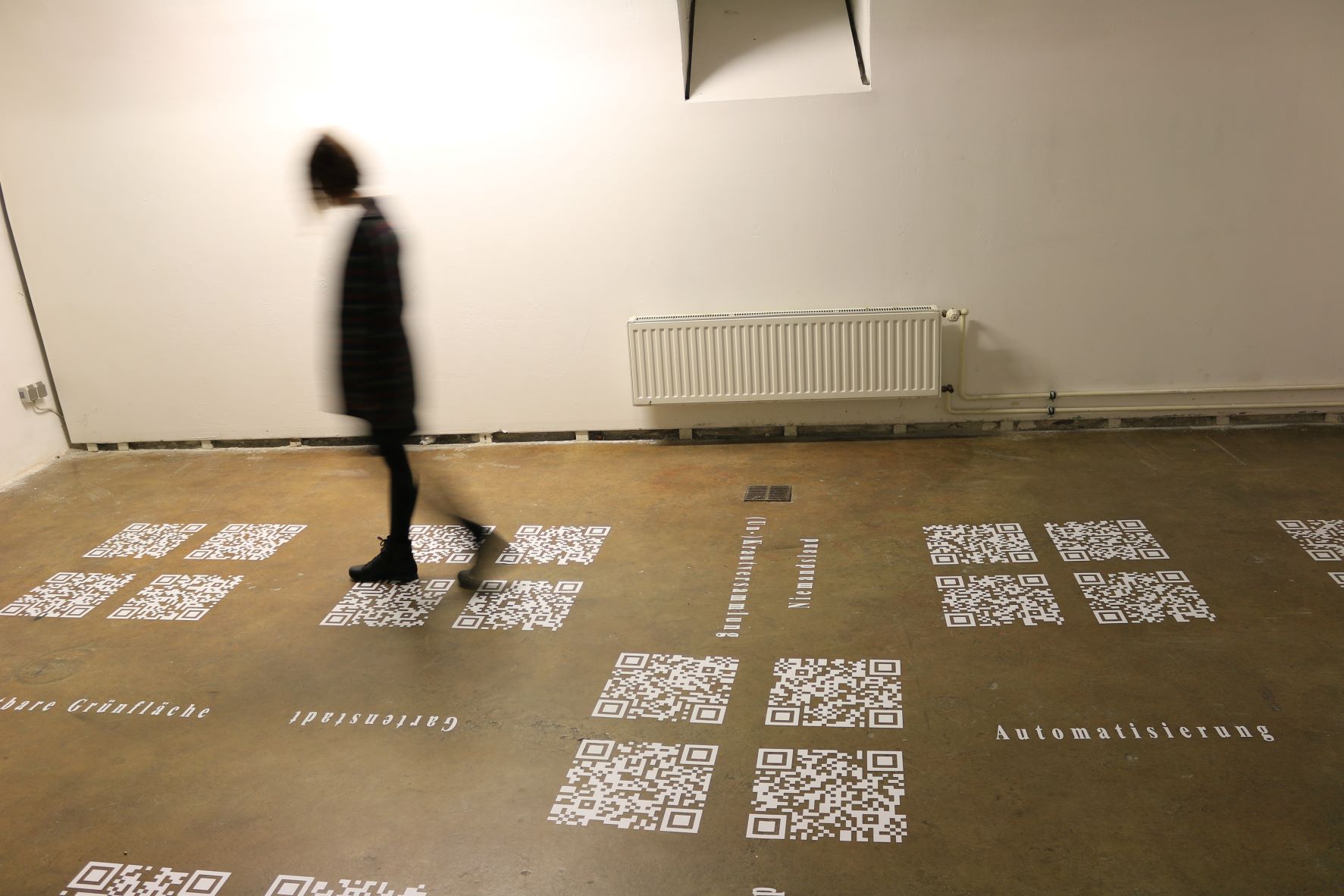
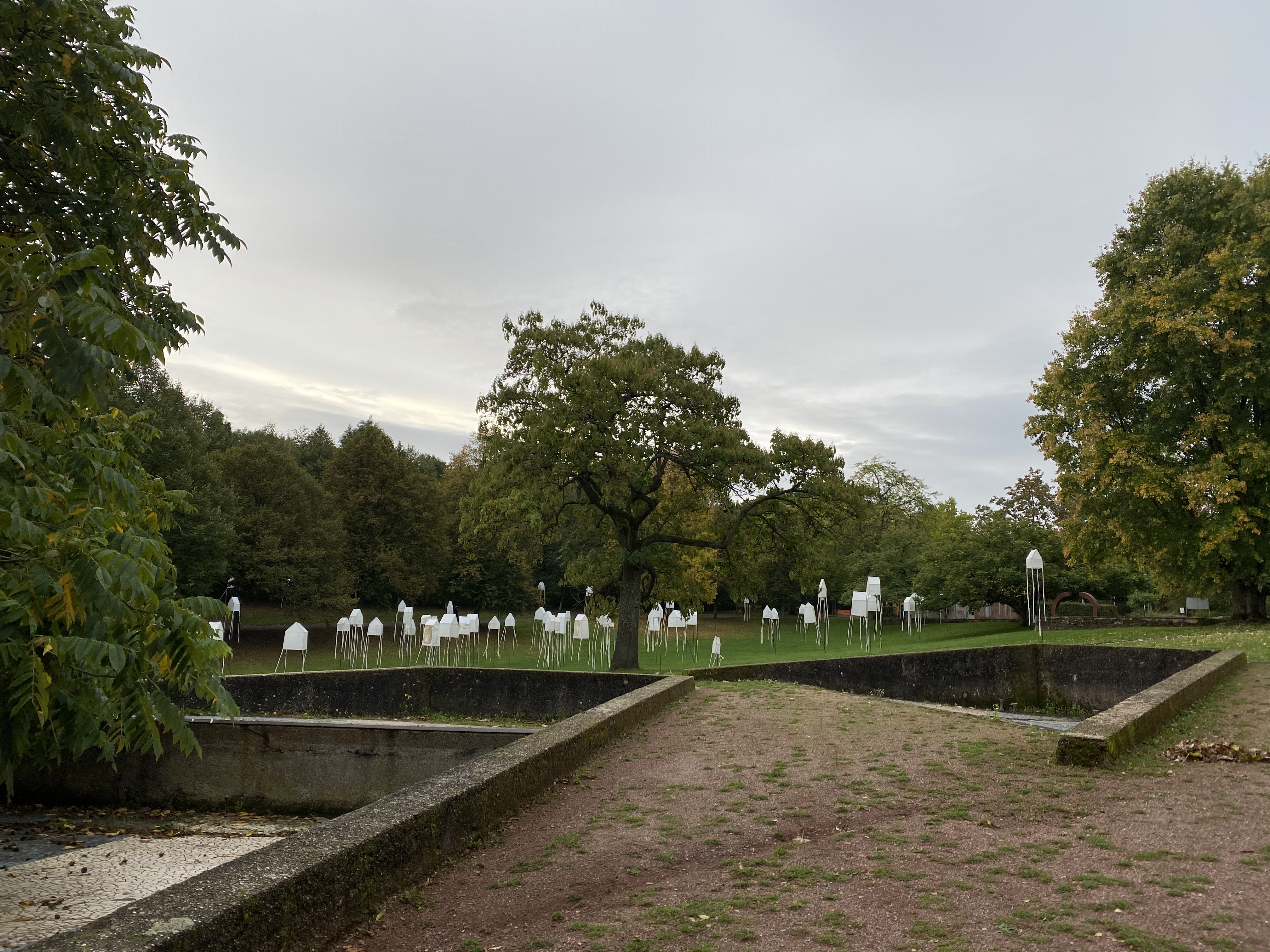
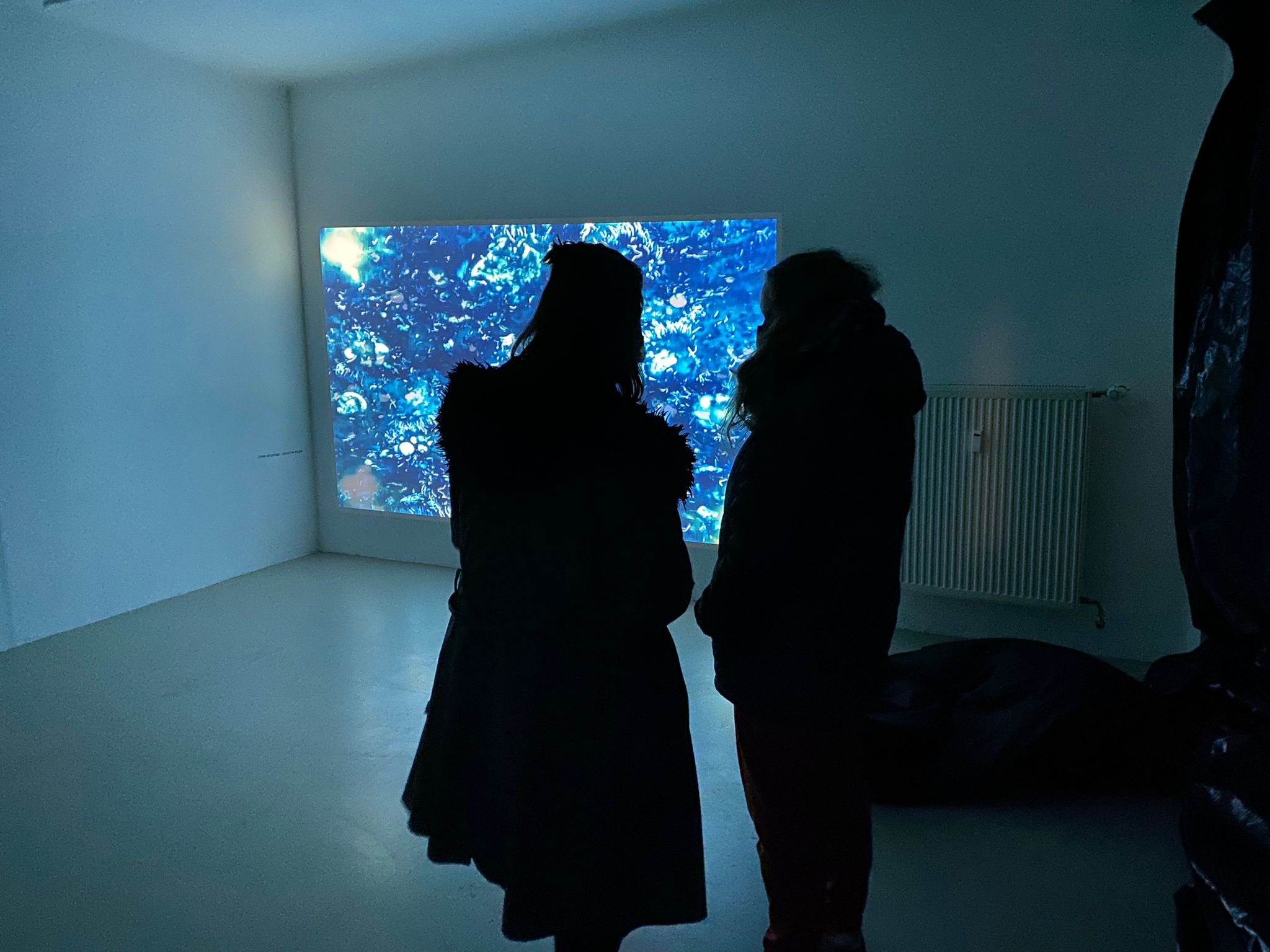
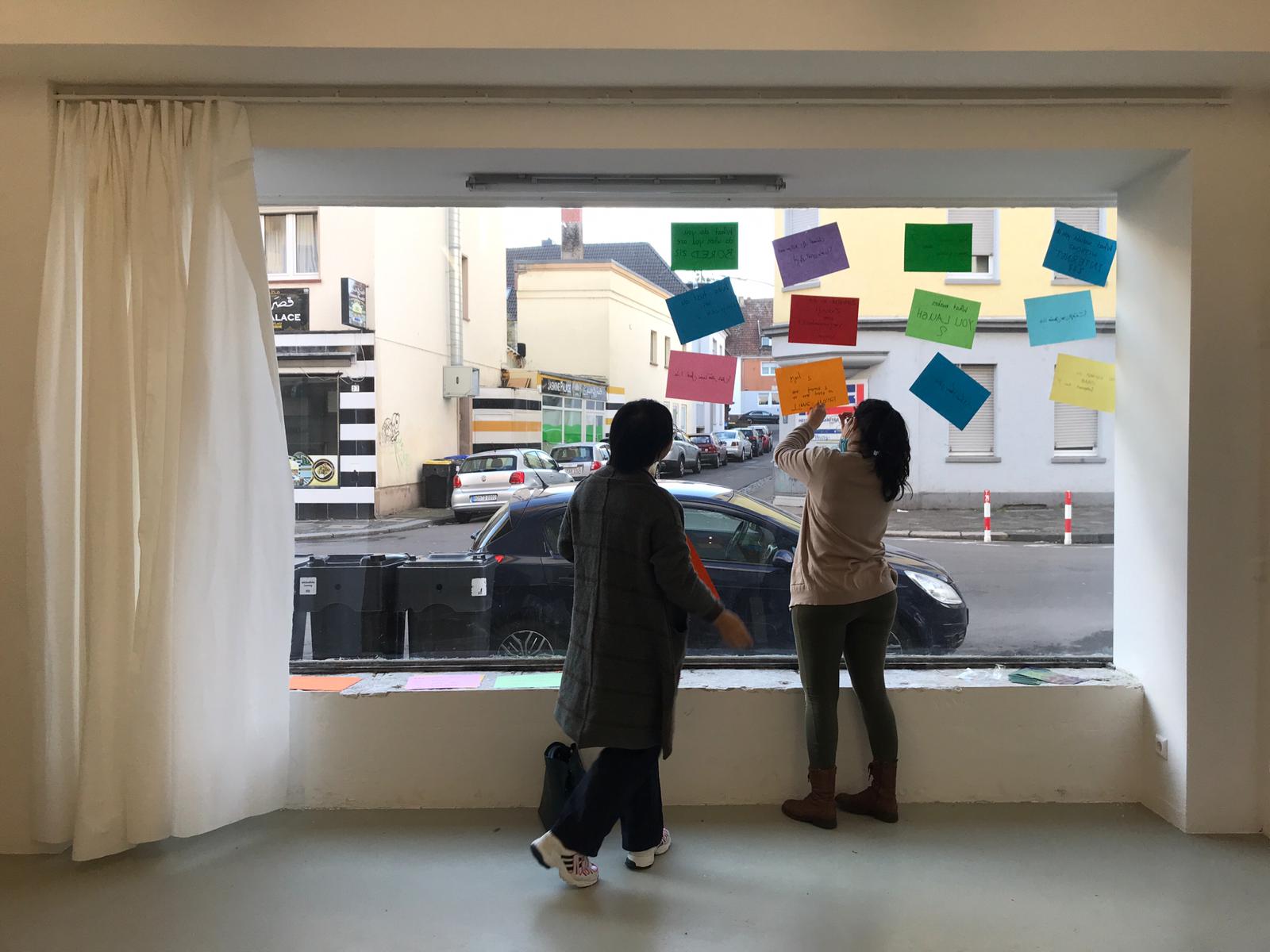
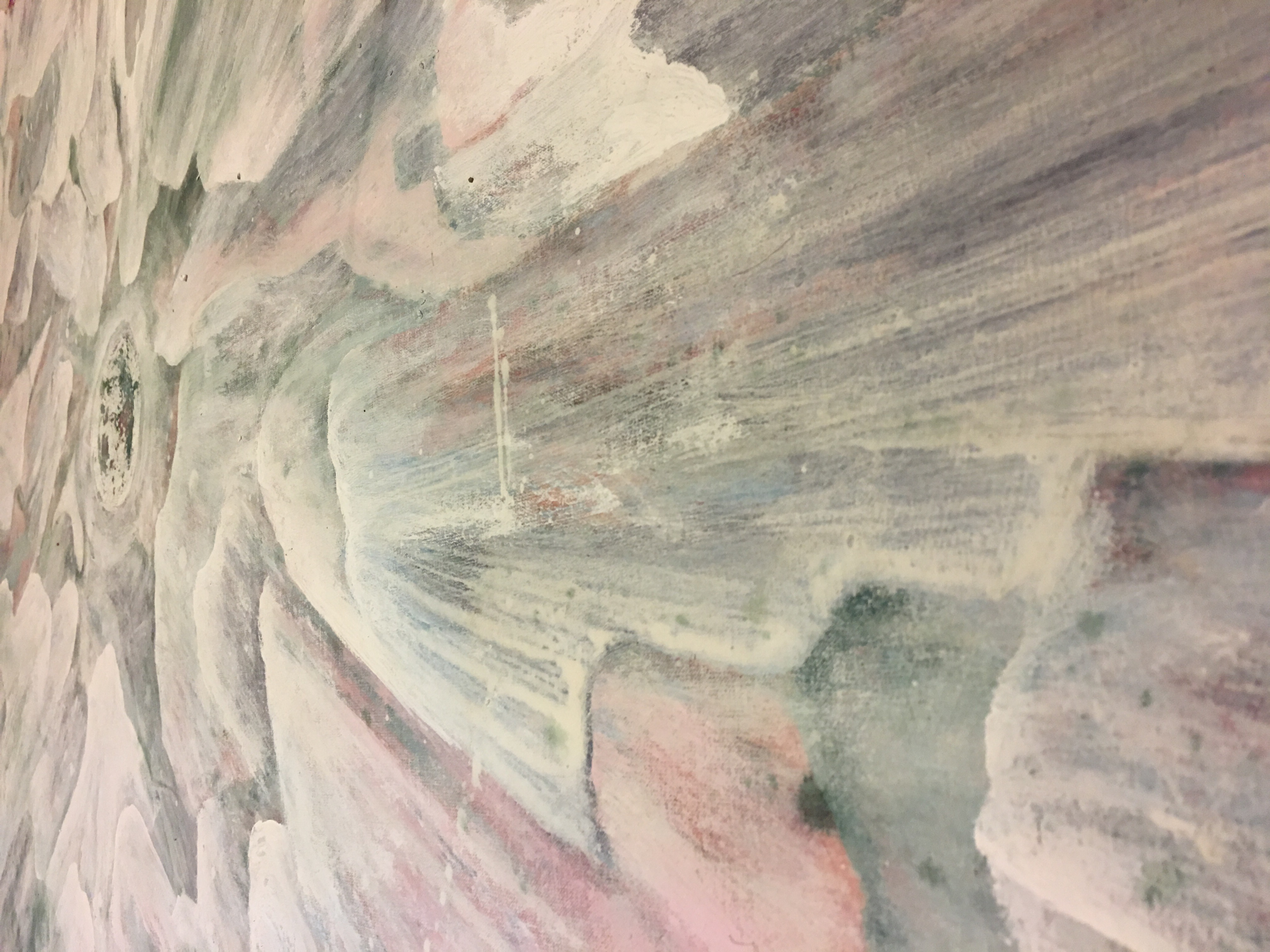
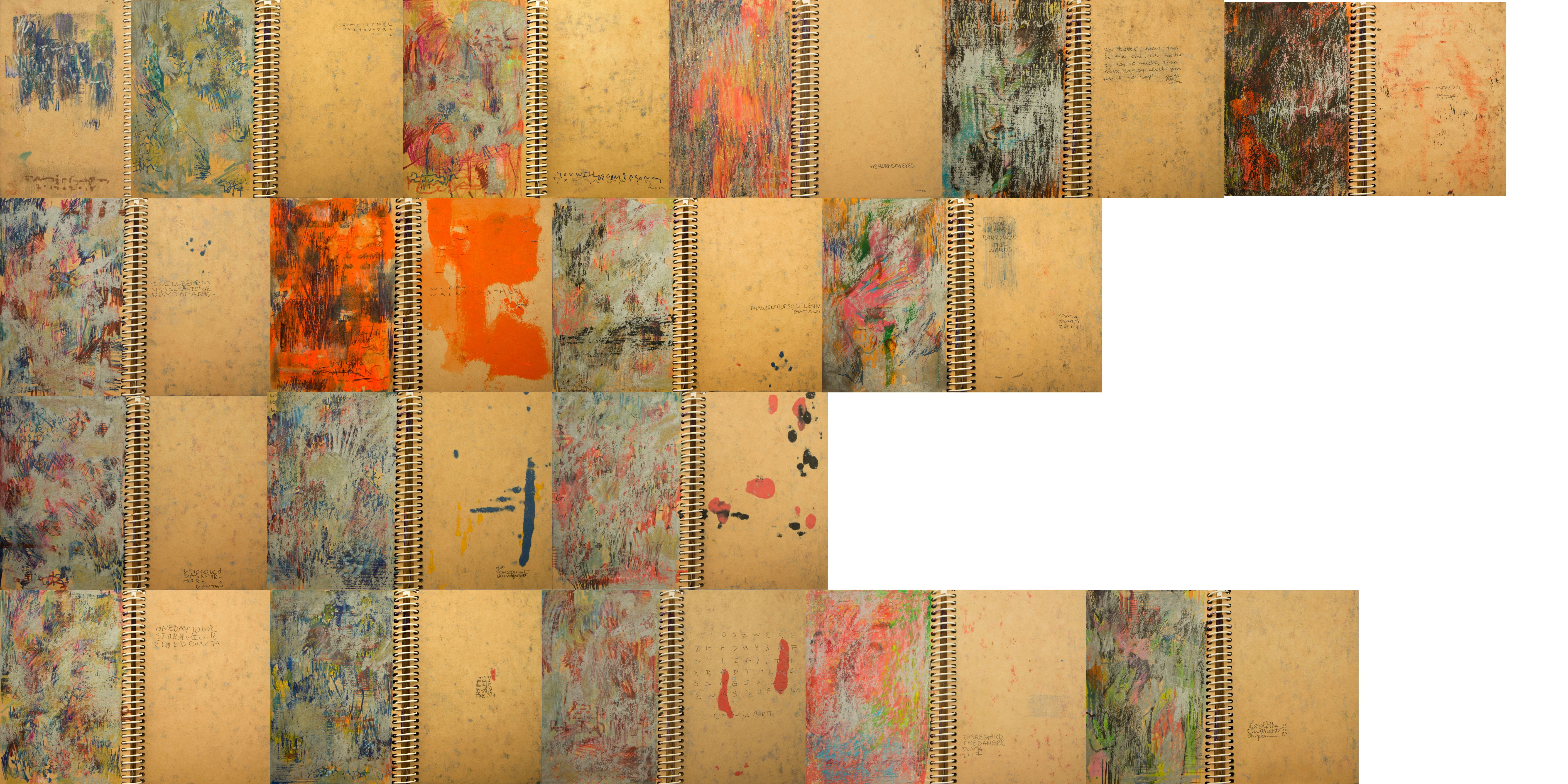
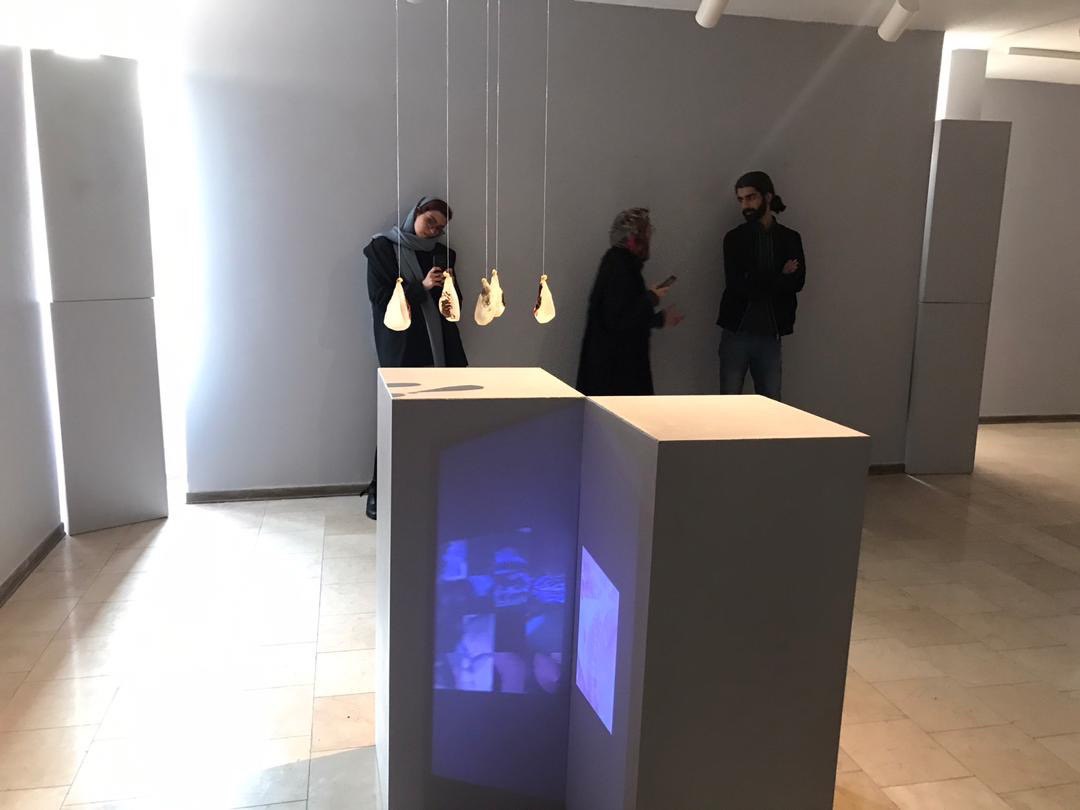
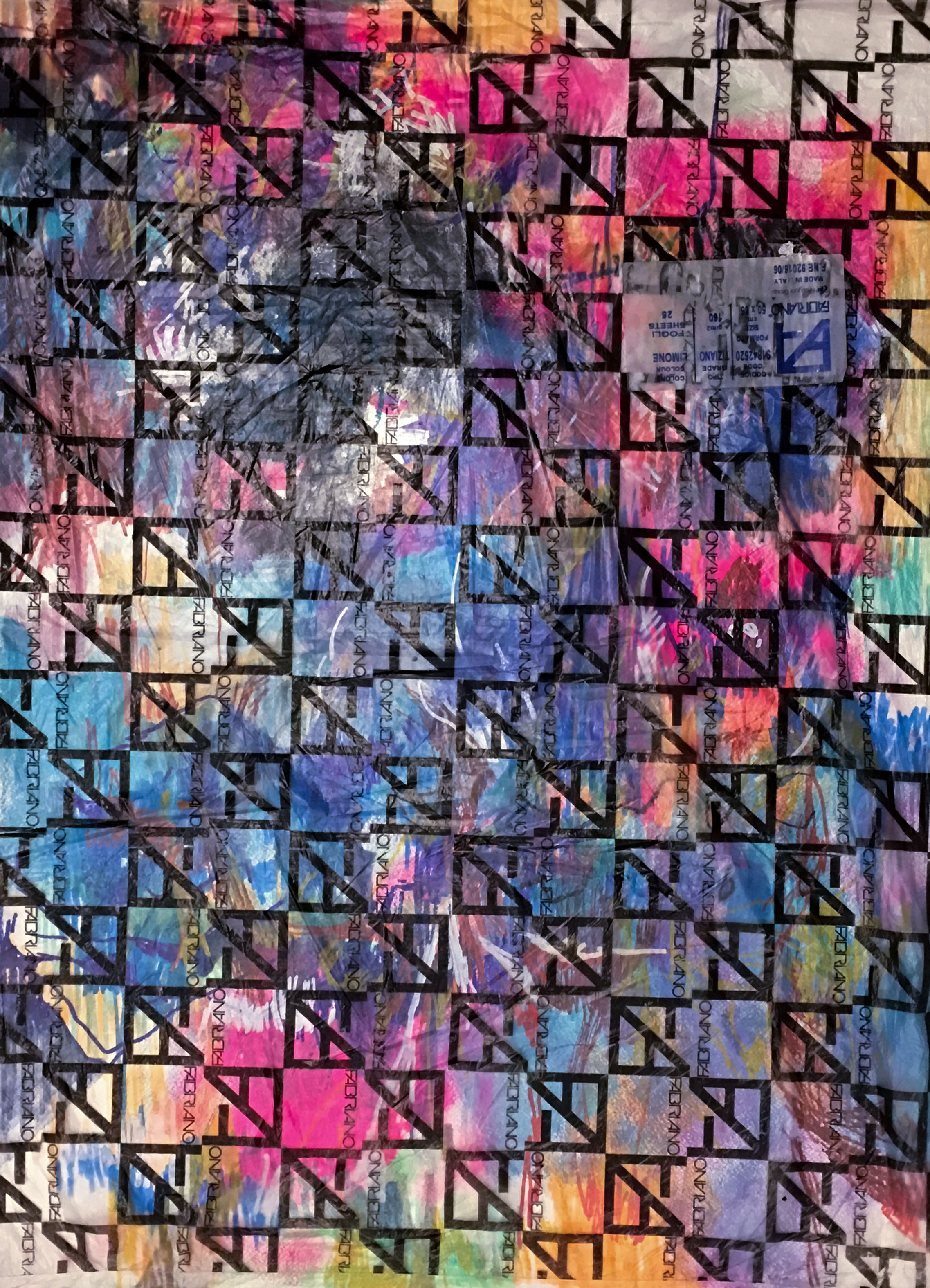
Mein kultureller Hintergrund und meine künstlerische Auseinandersetzung mit Wasser und Licht während meines Masterstudiums führten mich dazu, selbst einen „Garten“ zu erschaffen. Ich habe das Paradies als idealen, ortlosen Raum in Form einer Gartenkarte in die Realität übertragen; ähnlich der Struktur eines Perserteppichs. Wo ursprünglich Pflanzungen und Wege zu finden gewesen wären, habe ich die Beete durch QR-Codes und die Pfade durch Wörter und Sätze ersetzt. So entstand eine Verbindung von realem und virtuellem Raum. Anstatt eine physische Landschaft zu betreten, „checken“ wir uns über QR-Codes in einen parallelen, ortlosen Raum ein.
How has the Persian concept of Paradise been expressed in art?
Paradise – Ideality
Paradise is a place that does not exist in reality; it is an ideal, a reward. It is a conceptual construct born of human imagination, a beautiful garden where all needs are met and every wish comes true. Paradise is a place that does not exist in reality; it is an ideal, a reward. It is a conceptual construct born of human imagination, a beautiful garden where all needs are met and every wish comes true.
Garden – Implementation
As early as 6000 BCE, people in ancient Persia began to transfer this ideal vision of paradise onto their physical environment. The longing for a "Garden of Eden" turned
gardens into essential components of palaces and royal estates, typically designed with a formal structure where the spiritual elements of water and sunlight play a vital role.
Carpet – Transfer
In Zoroastrian thought, human beings view it as their duty to make the earth a better and more beautiful place. From this belief, garden motifs found their way into the art of Persian carpet weaving, transforming the textile into a portable map of paradise.
Exhibition – Imitation
My cultural background and my artistic exploration of water and light during my Master’s studies led me to create a "garden" of my own. I transferred paradise, as an ideal, non-existent place, into reality in the form of a garden map, mirroring the layout of a Persian carpet. Where traditional carpets show paths and planted areas, I replaced the flowerbeds with QR codes and the paths with words and sentences. This creates a bridge between physical and virtual space. Instead of entering a landscape, we "check in" via QR codes into a parallel, placeless realm.
Project Details:
• Year: 2022
• Text: Donya Fard
• Editing: Rita Eschle
• Supervision: Prof. Eric Lanz
• Institution: HBKsaar, Saarbrücken, Germany