top of page
From Reflection to Virtual Gardens: The Journey to the Master’s Thesis
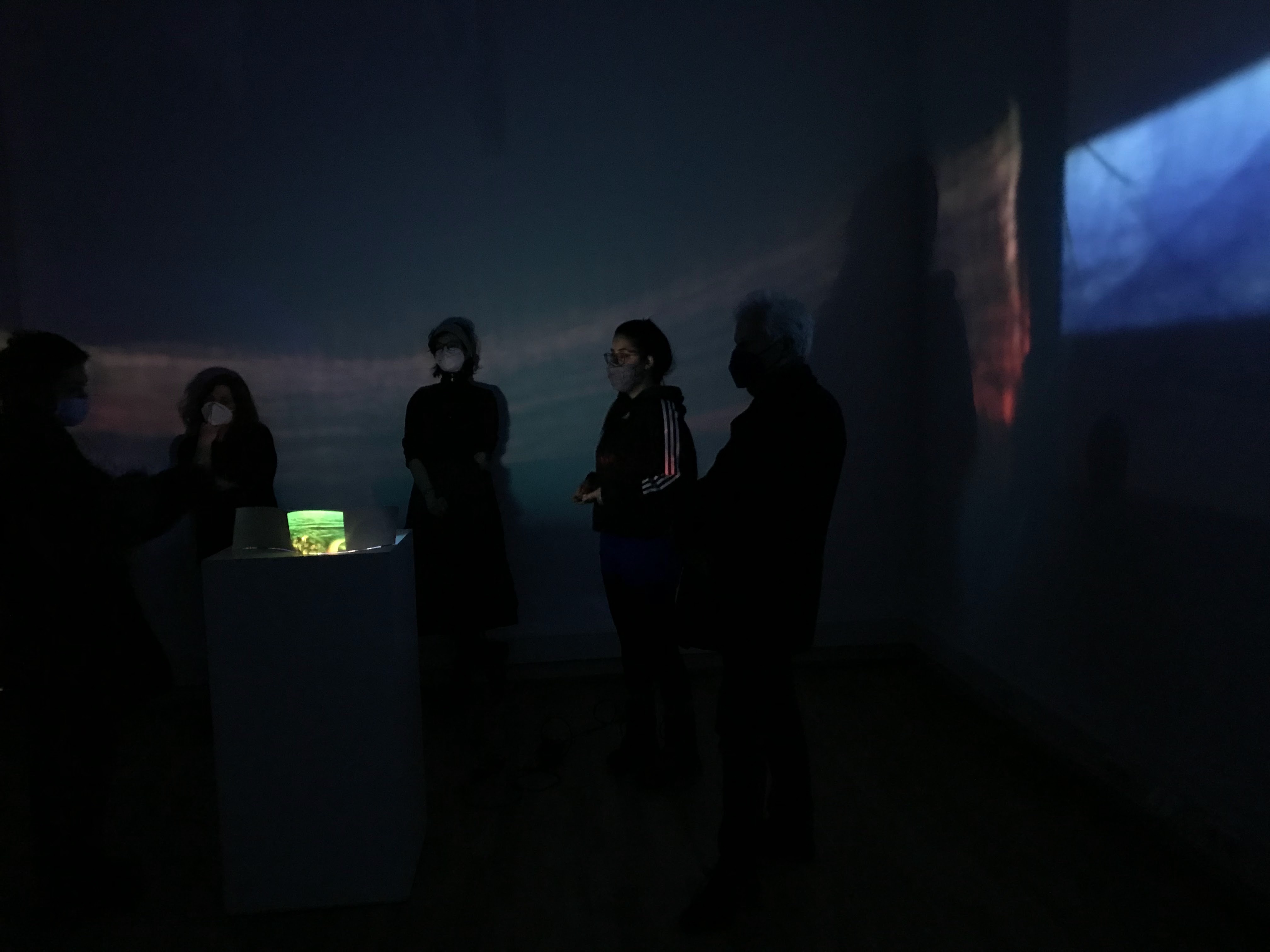
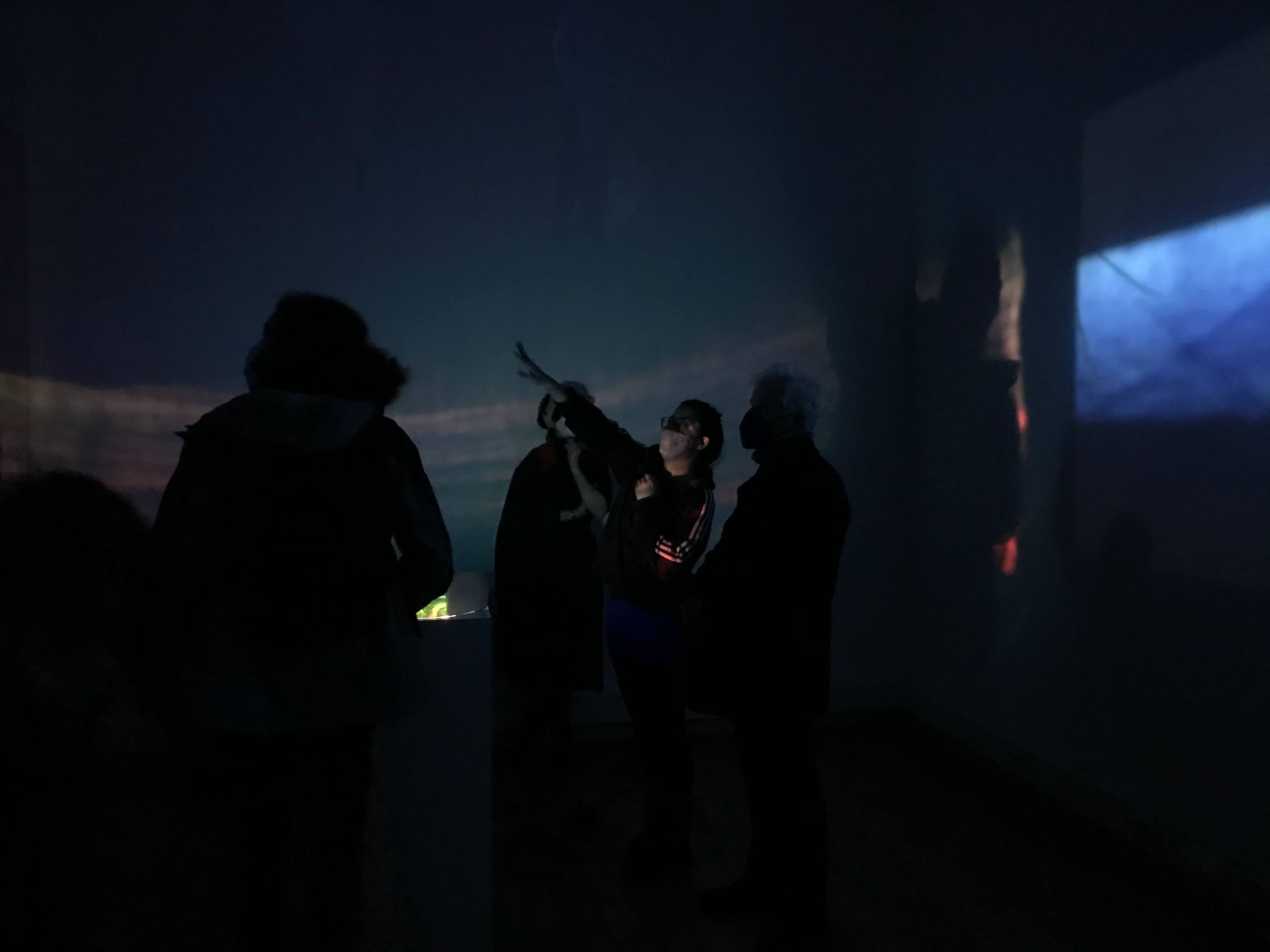
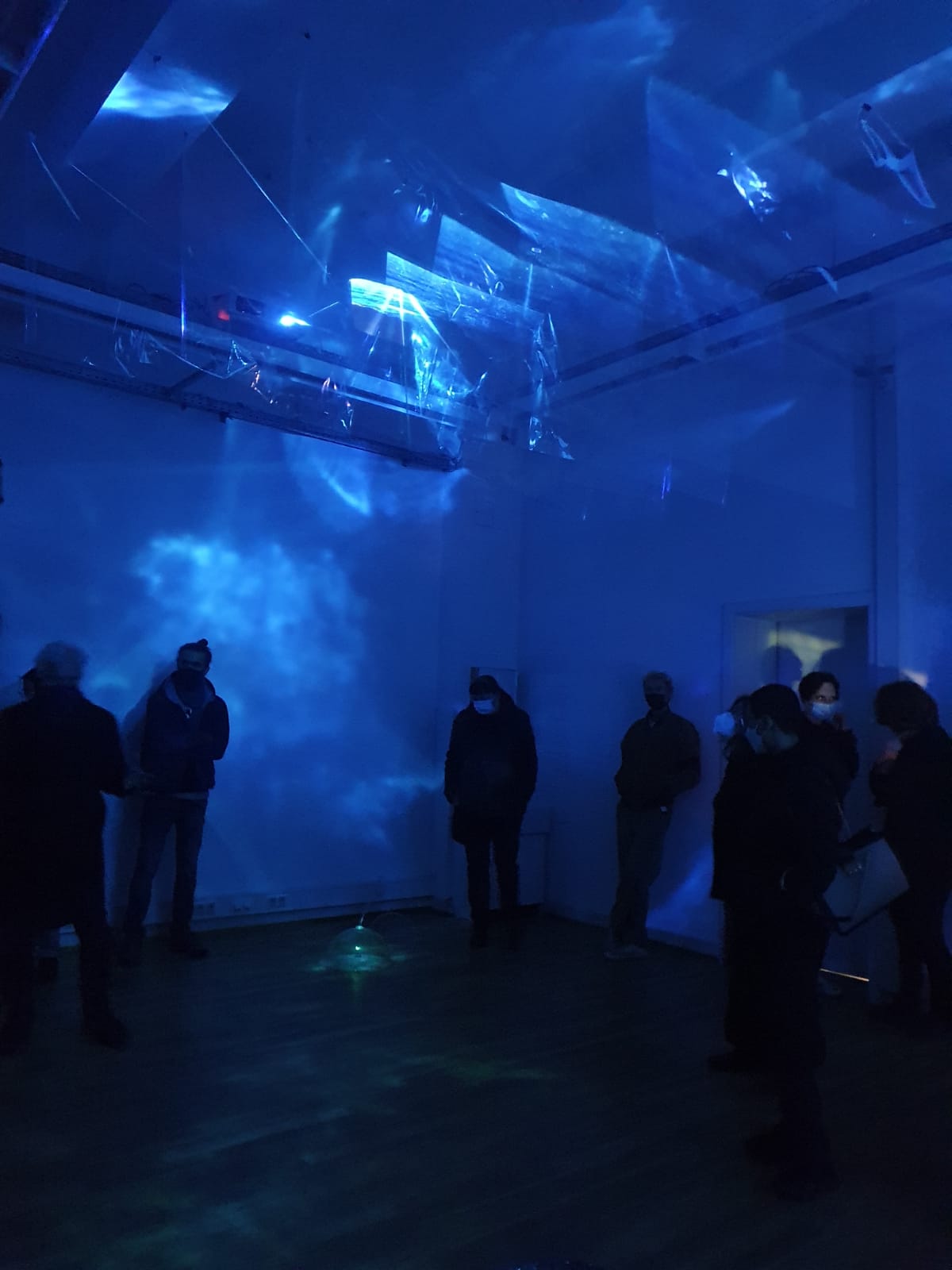
Before finalizing my Master’s thesis, I participated in the "Beta Test" at Atelier Eric Lanz (HBKsaar). This university-based exhibition format serves as a testing ground for mature artistic works, inviting public critique and spatial experimentation. My "Beta Test" installation was a crucial precursor to my final thesis, focusing on the sensory and historical essence of water.
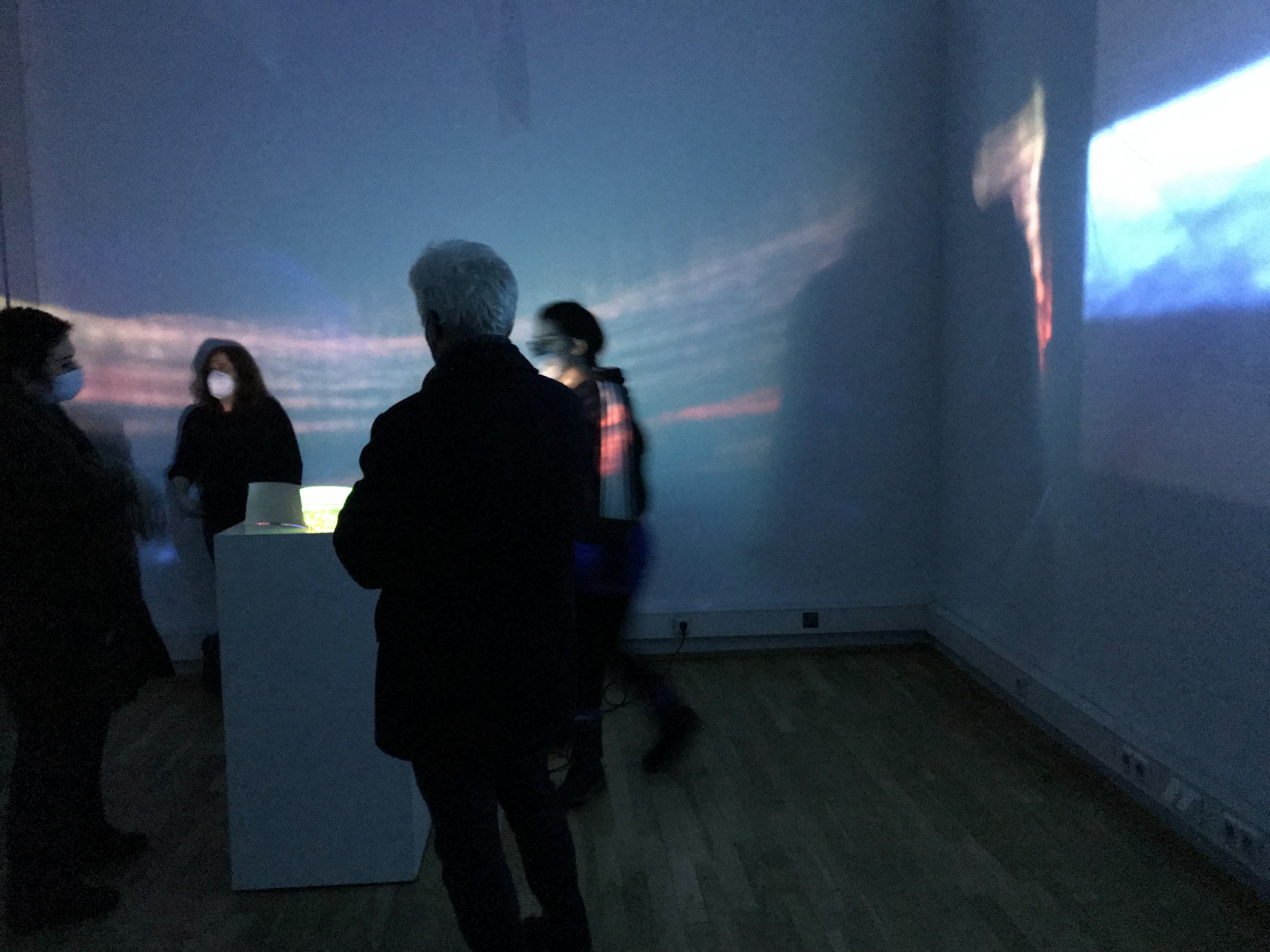
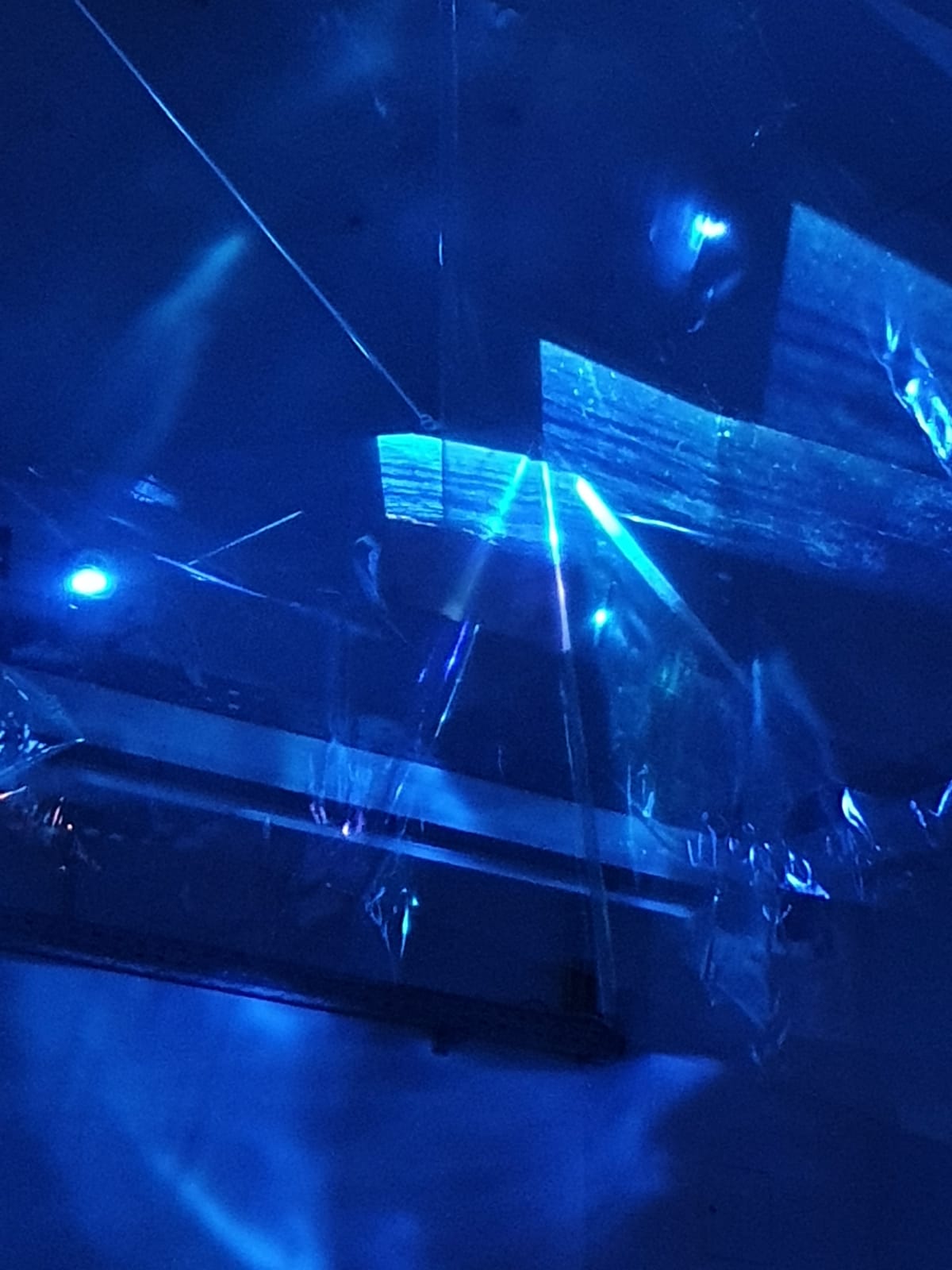
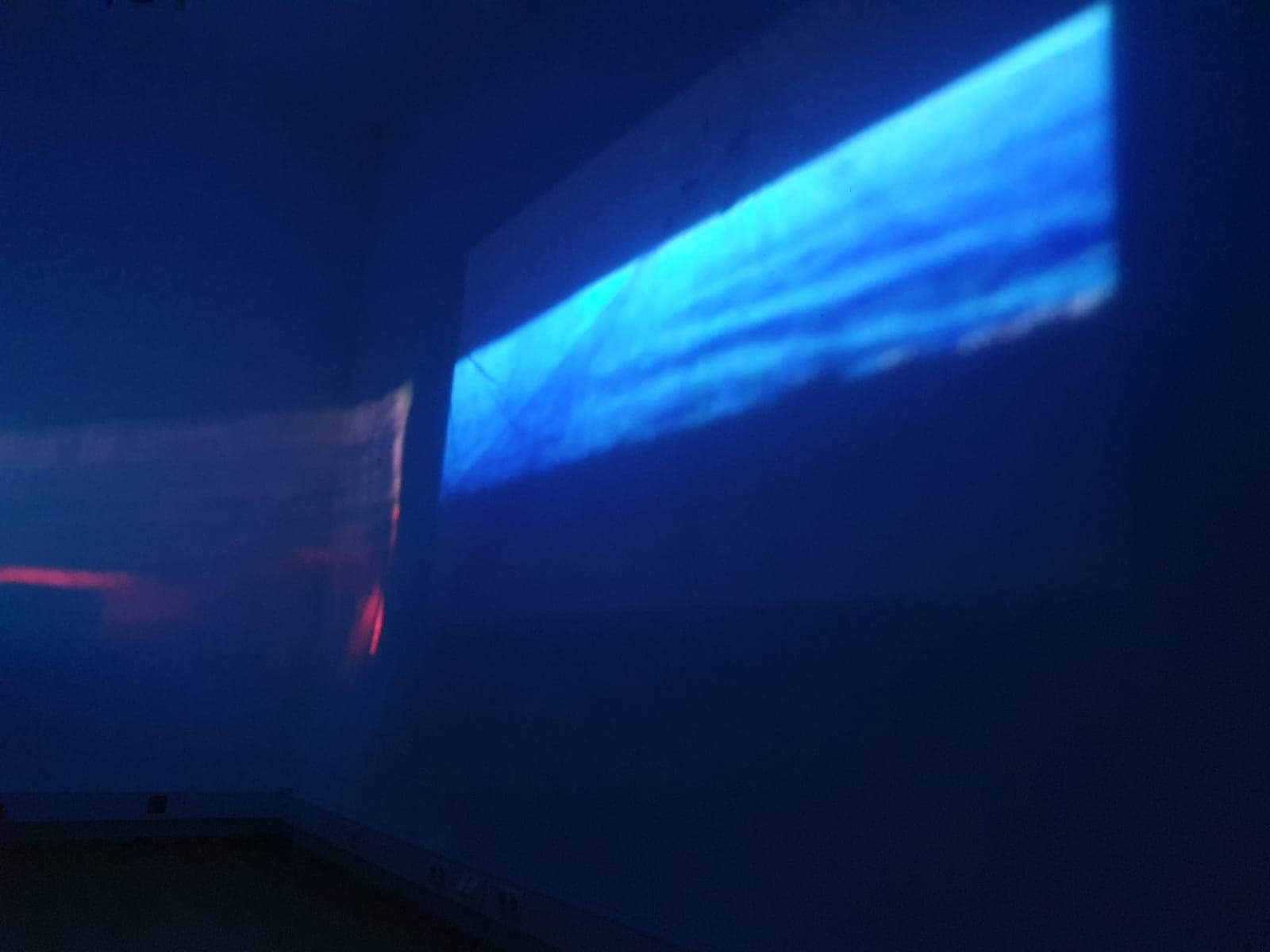
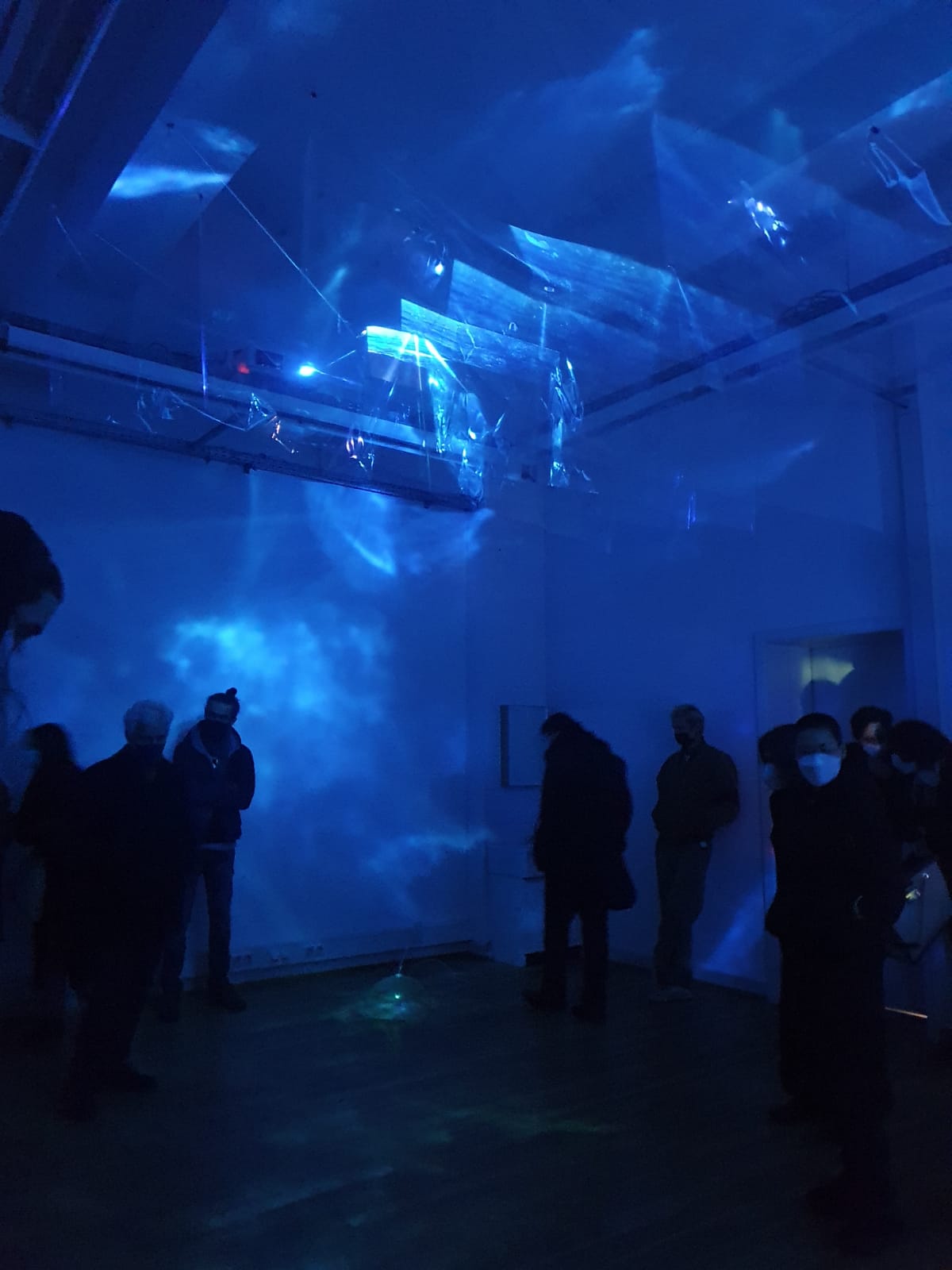
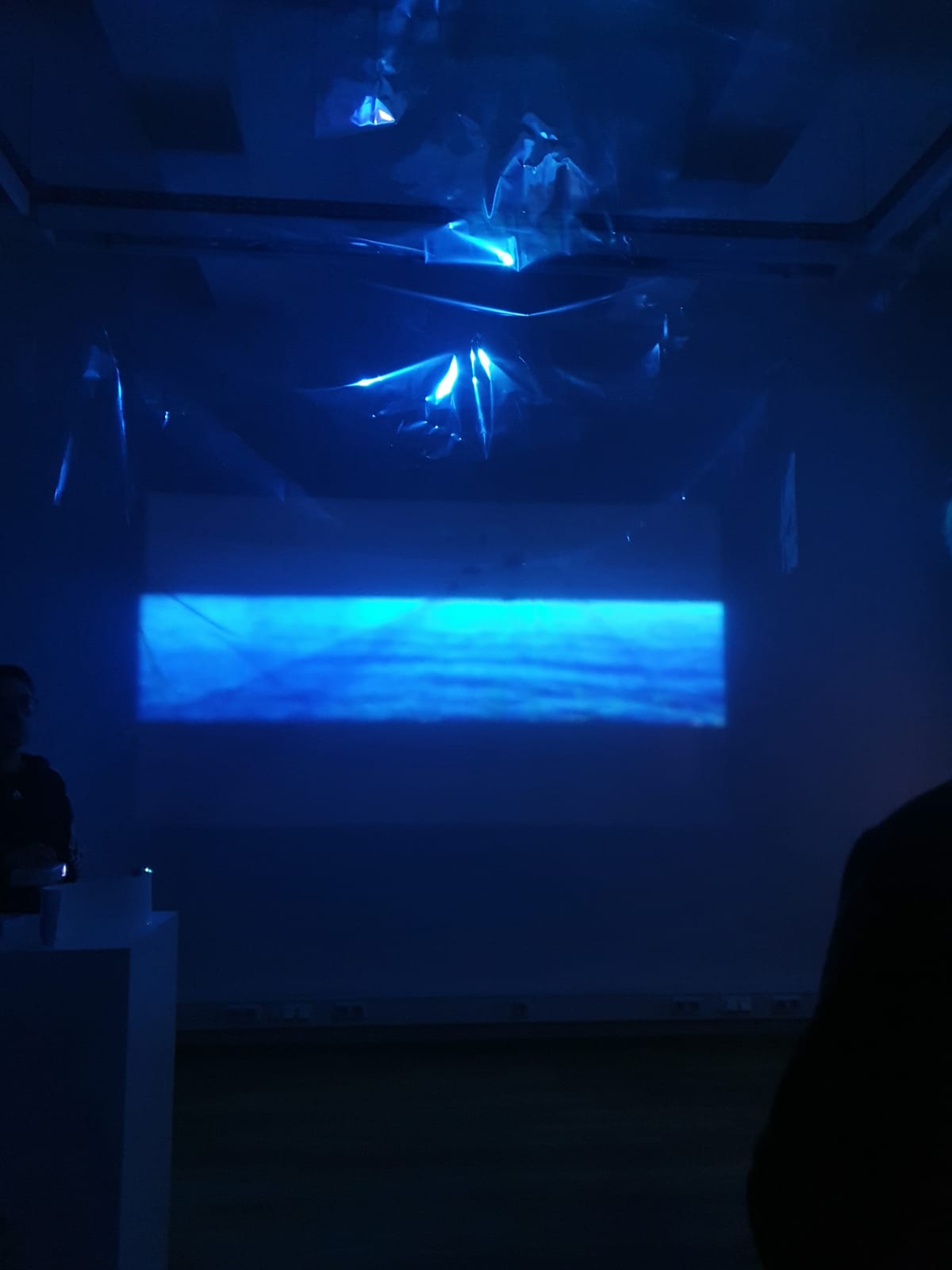
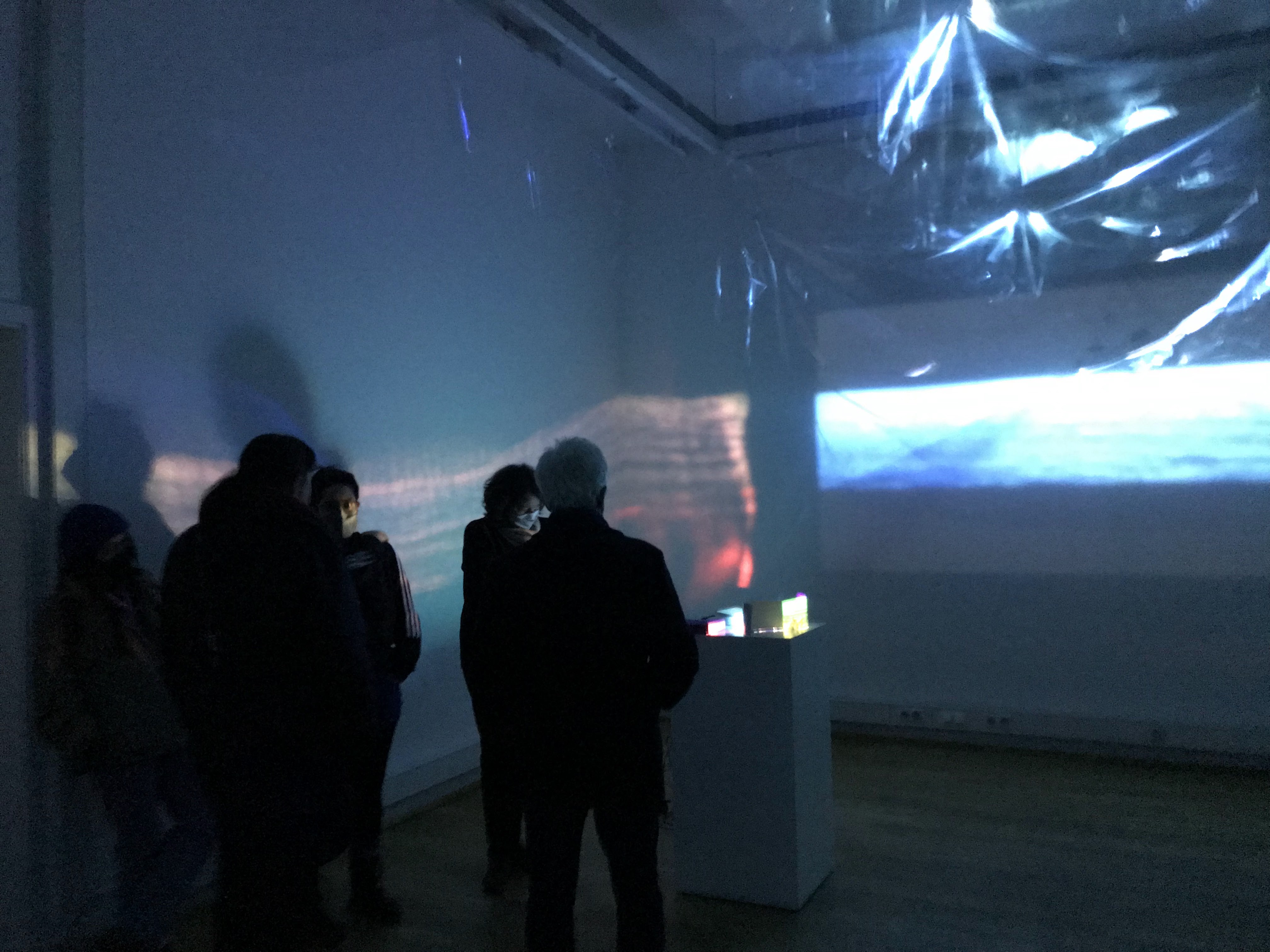
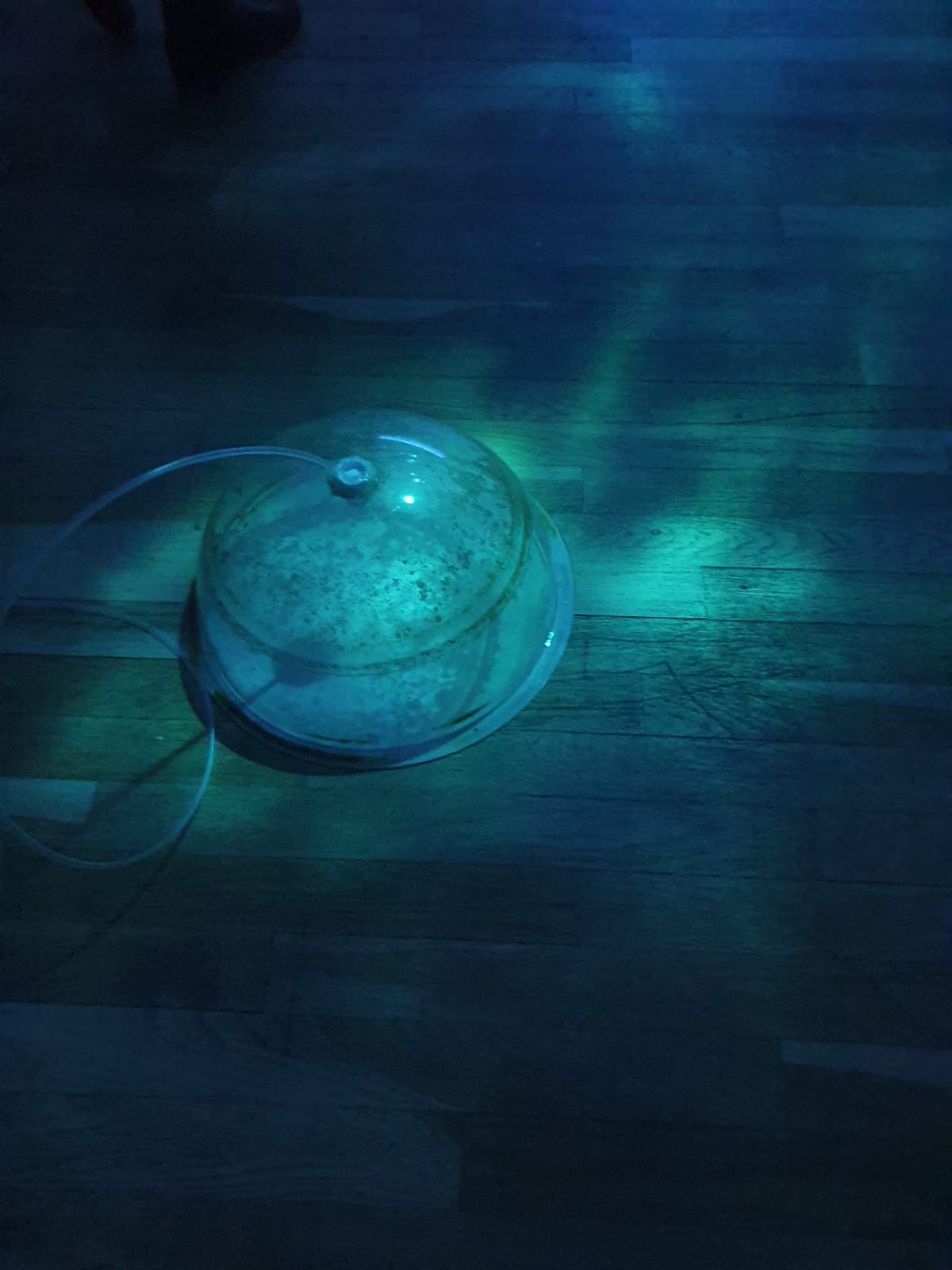
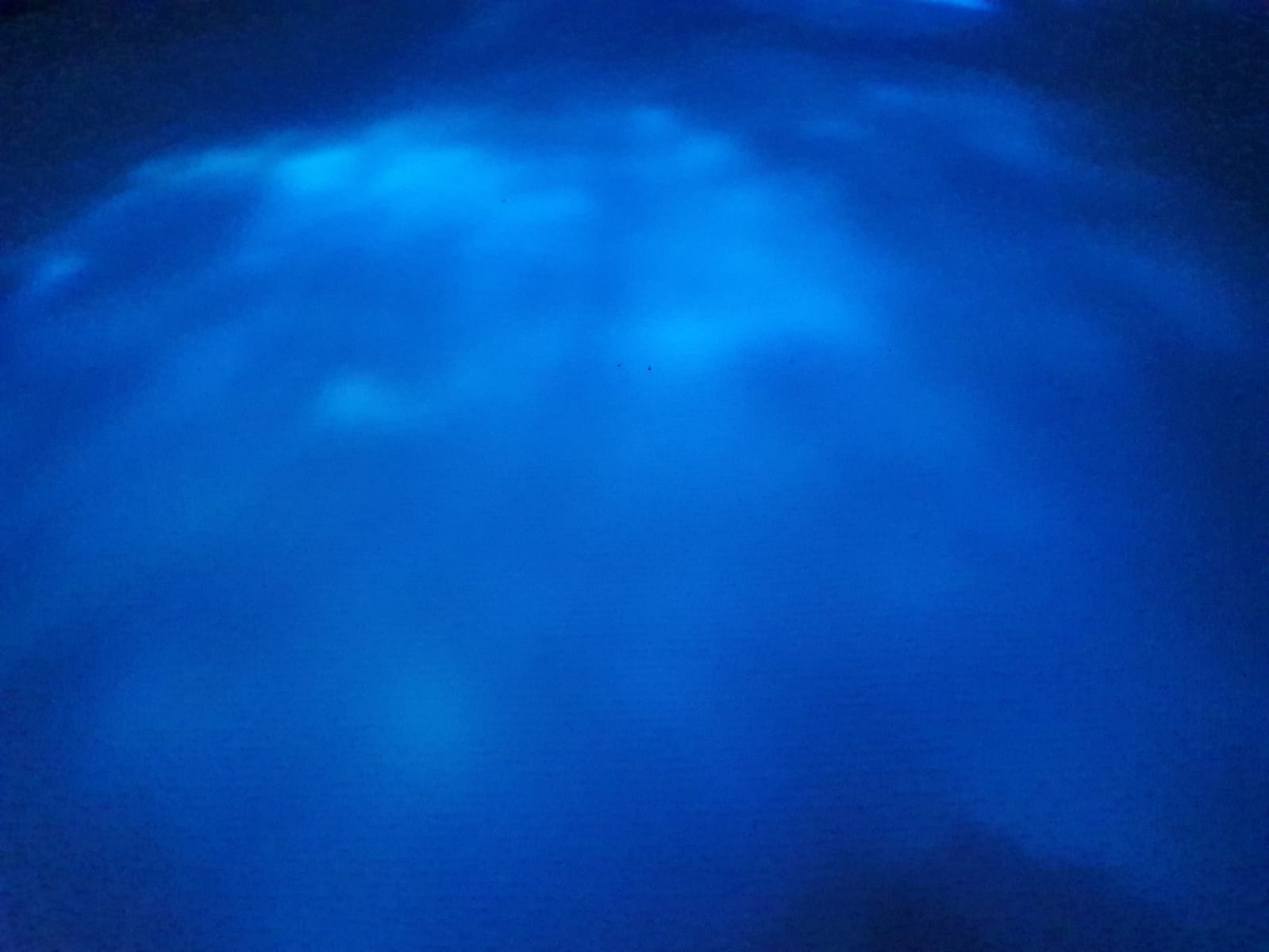
The Beta Test: Aqueous Reflections (2021) Venue: eHaus, HBKsaar, Saarbrücken In this installation, I explored water as both a physical and historical medium. I projected video footage of water through multiple layers of plastic foil, which distorted the image to create a heightened, undulating, wave-like effect. The room was filled with the immersive sound of flowing water.
Central to the space was a container of black waste oil, positioned in front of a reflective, silver mirror-like foil. This served as a dual metaphor: acting as a "black hole" that absorbs light while also referencing the history of Persian miniatures. In ancient manuscripts, silver was used to depict water; over centuries, this silver oxidized and rotted, leaving the water in these historic artworks looking black today. This installation bridged the gap between the material decay of the past and contemporary visual abstraction.
Master’s Thesis: How has the Persian concept of Paradise been expressed in art? (2022)
Supervision: Prof. Eric Lanz
This research-driven exhibition explores the evolution of the "Garden of Eden" from an ideal construct to a physical reality.
• Paradise – Ideality: Paradise is a conceptual construct; a beautiful garden where every wish comes true.
• Garden – Implementation: Since 6000 BCE, ancient Persia translated this vision into palace gardens where water and sunlight played spiritual roles.
• Carpet – Transfer: The Persian carpet became a "portable map of paradise," conserving garden motifs in textile form.
• Exhibition – Imitation: For my final work, I created a "digital garden." Mirroring the structure of a Persian carpet, I replaced traditional flowerbeds with QR codes and paths with words and sentences. By "checking in" via these codes, the viewer
exits the physical landscape and enters a parallel, virtual, and placeless realm, a modern interpretation of the non-existent Paradise.
Project Details:
• Year: 2021–2022
• Institution: HBKsaar, Saarbrücken, Germany
• Editing: Rita Eschle

01
From Reflection to Virtual Gardens: The Journey to the Master’s Thesis

01
exhibition

02
installation

03
installation

04
exhibition

05
exhibition

06
exhibition

07
installation

08
exhibition

09
installation

10
exhibition

11
installation
bottom of page